Solar technology has come a long way since its inception. The journey began in the 19th century when scientists first discovered the photovoltaic effect. A French physicist named Alexandre Edmond Becquerel stumbled upon the idea in 1839 while conducting experiments with a simple cell made of silver chloride. He noticed that light could produce an electric current. This discovery was the seed that eventually blossomed into modern solar panels.
Fast forward to the 1950s, and we saw the first practical solar cells being created by researchers at Bell Laboratories. These early cells were made from silicon and boasted an efficiency of around 6%, which may sound low by today's standards, but it was groundbreaking at the time. This development paved the way for solar technology to start transforming the energy landscape.
As the years rolled on, solar technology gained momentum. By the 1970s and 1980s, the oil crisis reignited interest in renewable energy sources, and people began looking to the sun. More research led to improved efficiency, lower costs, and a broader acceptance of solar power. Homeowners and businesses started investing in solar panels, seeing them as a viable way to reduce electricity bills and reliance on fossil fuels.
Now, solar technology is not just a niche market. It’s become a mainstream solution for energy needs around the world. With innovations constantly hitting the market—like solar shingles and portable solar chargers—it’s clear that solar has evolved from those early experiments into a vital energy resource. And the best part? It only keeps getting better!
Key Innovations in Solar Panels
Solar panels have come a long way, changing the way we harness energy from the sun. One key innovation is the shift from crystalline silicon to thin-film technology. Thin-film solar panels are lightweight and flexible, making them easier to install and perfect for a variety of surfaces, from rooftops to curved structures. Plus, they tend to perform better in low-light conditions.
Another big leap forward has been the introduction of bifacial solar panels. These panels can capture sunlight from both sides, increasing efficiency. This design captures reflected sunlight, giving you even more energy output without taking up extra space. It’s a game-changer for maximizing solar potential, especially in installations with a light-colored surface underneath.
Energy storage advancements have also transformed solar technology. With better battery systems available, homeowners can store excess energy produced during the day. This means you can use that energy at night or during cloudy days, making solar power more reliable and efficient for everyday use.
Smart solar panels are on the rise, too. These panels come equipped with sensors and internet connectivity. They can communicate with your home energy system, optimizing the energy flow and giving you real-time data on energy production and usage. This tech-savvy approach makes it easier to monitor performance and ensures you’re getting the best bang for your buck.
The Rise of Residential Solar Power
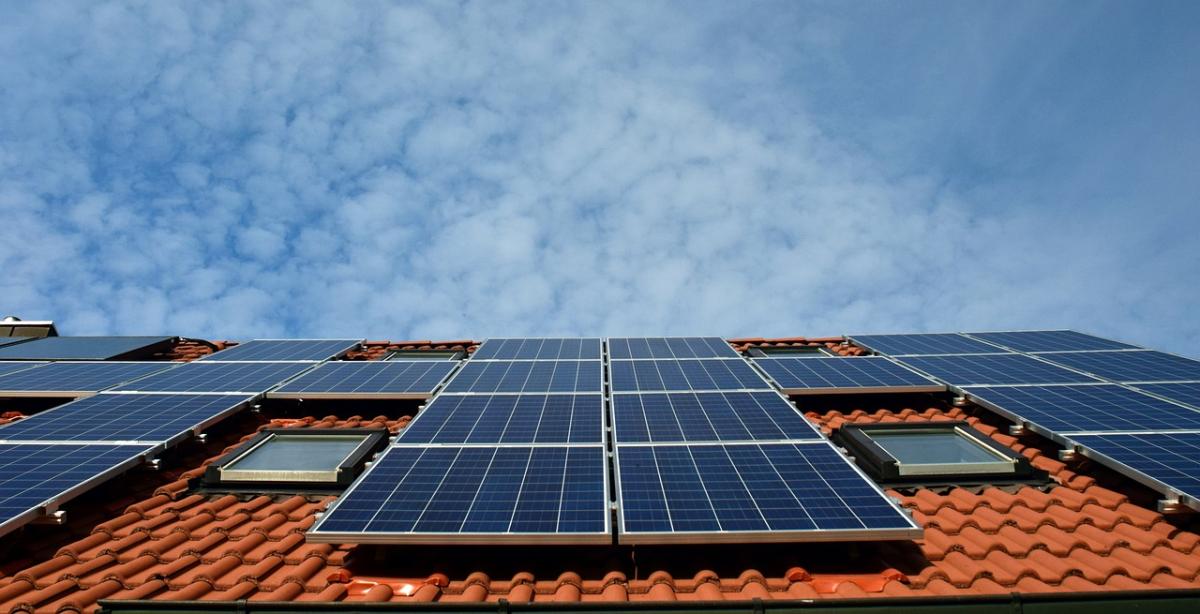
The popularity of residential solar power has surged in recent years. Homeowners everywhere are looking for ways to save on energy costs and reduce their carbon footprint. Solar panels have become a go-to solution for many, turning rooftops into energy hubs.
One major reason for this rise is the technology improvements. Modern solar panels are much more efficient than earlier models, capturing more sunlight and converting it into usable energy. With sleek designs and better materials, they blend nicely into various home styles. It’s not just about functionality; people like how they look too!
Cost is another big factor. Prices have dropped significantly over the last decade. More folks can now afford to install solar systems, and many government incentives help lighten the financial load. It’s not just about going green; it’s also about making a smart investment.
Community support has also boosted residential solar use. Neighborhoods are sharing experiences and benefits, sparking interest in solar energy. When your neighbor installs panels and raves about their savings, it makes you think, “Maybe I should consider that too!”
With all these changes, it’s clear that residential solar power is here to stay. More homeowners are joining the movement, making solar energy a smart choice for not just saving money but also for creating a sustainable future.
Future Trends in Solar Energy Systems
Solar energy is on the rise, and there are some exciting trends shaping its future. One big thing to watch is the development of ultra-efficient solar panels. These panels are getting closer to converting sunlight into electricity at higher rates, which means homeowners could generate more power with fewer panels on their roofs. This not only saves space but also makes solar energy even more affordable over time.
Battery technology is also evolving fast. With better energy storage systems, you'll be able to store excess energy produced during sunny days and use it when the sun isn’t shining. That makes solar energy a much more reliable source for your home, and it helps with energy independence. People want that peace of mind knowing they have power even during outages.
Don’t forget about the integration of smart technology. Many solar systems now offer smart monitoring tools that let you track energy production right from your smartphone. This gives you insights into your energy use and can even help you optimize when you use electricity to save money.
Another trend is the push towards solar solutions for urban areas. More cities are exploring solar panel installations on rooftops and in parks, making it easier for people living in apartments or condos to access clean energy. Plus, community solar projects are gaining traction, allowing multiple households to share a solar installation, making it more affordable for everyone involved.
Finally, look out for advancements in building-integrated photovoltaics (BIPV). This technology merges solar panels with building materials, like windows or roofs, so homes can harness solar energy without needing bulky panels. It’s a seamless way to go green and can even boost property values!